Medical Assistant Classes in Bozeman, MT: How to Find the Right Program Near You
Finding medical assistant classes nearby is step one. Making sure those classes actually prepare you for the job is what determines your career outcome. The gap between programs that produce confident, certified, employable graduates and programs that don’t comes down to a few specific factors — and they’re all verifiable before you enroll.
Here’s how to evaluate medical assistant classes in Bozeman.
What Classes Should Teach
O*NET identifies 40+ tasks that medical assistants perform on the job. Classes that don’t cover the full scope leave gaps that surface during interviews and in the first weeks of employment.
Clinical Skills (the core)
- Vital signs — blood pressure, pulse, temperature, respiratory rate, O2 saturation
- Phlebotomy — venipuncture, capillary puncture, specimen handling
- Injections — IM, SubQ, intradermal technique
- EKG — 12-lead electrode placement and operation
- Point-of-care testing — urinalysis, glucose, rapid strep, rapid flu
- Infection control — sterilization, OSHA compliance, PPE
- Patient preparation — positioning, draping, assisting during procedures
- Wound care — dressing changes, suture/staple removal
Administrative Skills
- EHR documentation (Epic, eClinicalWorks, Athena)
- Scheduling, patient flow, referral coordination
- Insurance verification, prior authorizations, billing basics
- HIPAA compliance
- Supply management
Certification Preparation
The CCMA (Certified Clinical Medical Assistant) credential is what employers look for. Classes should integrate exam content throughout — not cram it into the last week.
How to Evaluate Classes in Bozeman
1. Where does training happen?
Best: Inside real medical offices using actual clinical equipment Adequate: Campus labs with medical instruments and simulation equipment Insufficient: Standard classrooms with textbooks and videos only
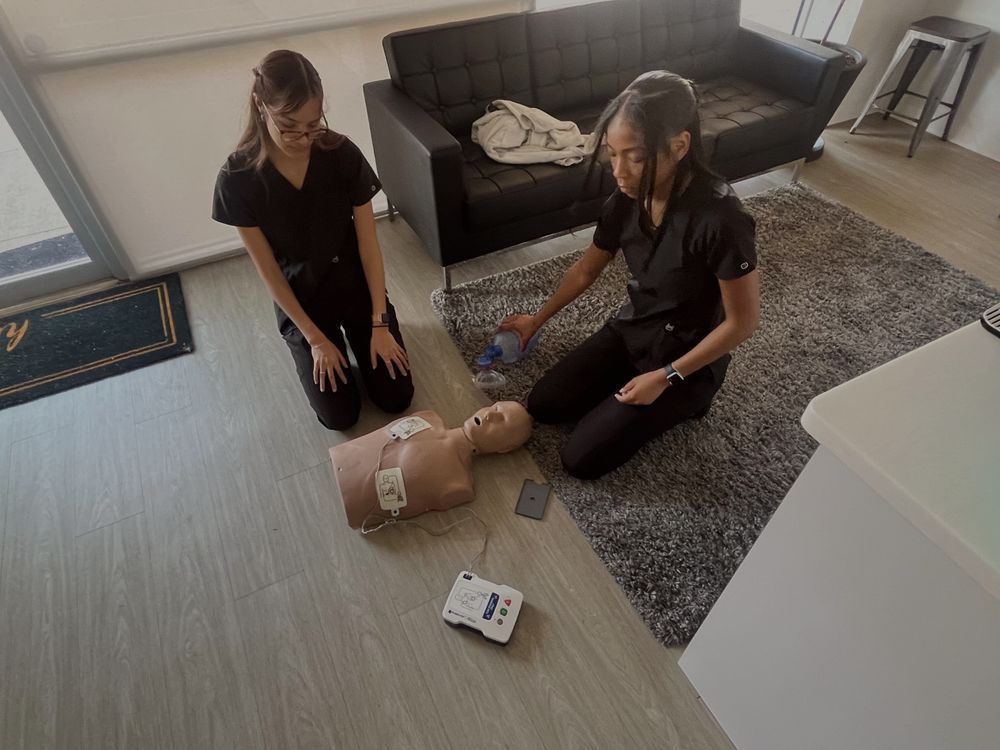
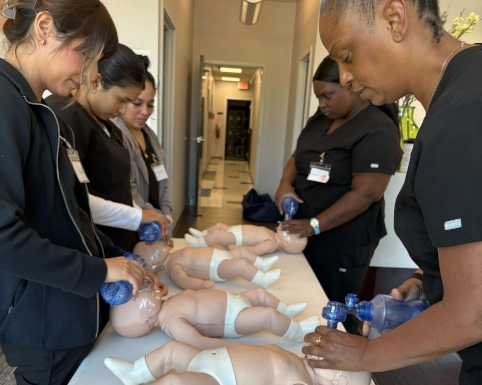
Bozeman Medical Assistant School trains inside working medical practices. You handle real phlebotomy equipment, operate real EKG machines, and practice injection technique on real equipment from the start.
2. Is hands-on practice the primary method?
Medical assisting is a physical profession. Drawing blood, giving injections, and running EKGs require muscle memory built through repetition. Programs heavy on lecture and light on practice produce graduates who know the material but can’t perform efficiently.
3. Is an externship included?
An externship places you in a local medical office for supervised patient care. This is where training becomes experience — and where many graduates make the professional connections that lead to their first job.
Programs without externships leave a critical gap. Hiring managers consistently rank clinical experience as the most important hiring factor.
4. Does the program prepare you for the CCMA exam?
Programs that integrate certification prep throughout the curriculum produce significantly higher pass rates than those that treat it as an afterthought.
5. What does it cost?
| Program Type | Cost Range | Duration | |—|—|—| | Focused vocational | $2,000–$5,000 | 16–18 weeks | | Community college certificate | $5,000–$15,000 | 9–12 months | | Associate degree | $10,000–$25,000+ | 18–24 months |
WIOA funding: Eligible students may qualify for workforce-funded training. Check CareerOneStop.org.
6. Does the schedule work?
Evening and weekend classes let working adults train without quitting their current job.
Why Location Matters
Local externship = local connections. When your classes are in Bozeman, your externship is in Bozeman. You build relationships with medical offices in your area — the same offices hiring when you graduate.
Shorter commute = higher completion. Nearby programs make consistent attendance realistic, especially for evening/weekend schedules.
Career Data
- Median salary: $42,000/year (BLS)
- Job growth: 14% through 2032 (Bright Outlook per O*NET)
- CCMA premium: $2,000–$6,000/year
- Settings: Primary care, specialty clinics, urgent care, hospital outpatient, FQHCs
Get Started at Bozeman Medical Assistant School
- See the full curriculum: Program details
- Review tuition and payment options: Tuition
- Talk to our team: Contact us
- Apply today: How to apply
You're only a few months from the medical assistant career you deserve.